Hi All
We have all been plagued by garden pests at some time or another and pesticides are a common tool in the modern gardener’s toolkit. However, they’re not the only tool available, and there are many reasons to consider alternatives to commercial chemical pesticides. For one thing, they can be expensive. For another, they can be harmful to both people and the environment. Here are seven alternatives to chemical pesticides that you can try in your garden this year.
1. Bought Insecticidal Soaps
Insecticidal soaps are gentle on the environment but only kill the bugs they encounter. They break down quickly in sunlight and often need to be reapplied after rain or watering. However, it is one of the most effective weapons in an organic gardener’s arsenal when used correctly. (Note though; not every insect is susceptible).
2. Rotenone
Rotenone is an organic pesticide that you can make yourself. To make your rotenone, get some derris root or rotenone powder (like you would use for fleas on your pets). Derris root is the ground-up root of a plant native to Southeast Asia and Africa. Put 10 tablespoons in one gallon of hot water and let it steep overnight. Spray it onto your plants using a plant mister.
3. Pyrethrum
Pyrethrums are extracts from chrysanthemum flowers that kill insects by attacking their nervous systems. They break down quickly in sun and rainwater and need to be reapplied frequently when used alone.
4. Neem oil
Neem oil is a vegetable oil pressed from the fruits of Azadirachta indica, an evergreen tree native to India. The active ingredient, azadirachtin, interferes with insects’ hormonal systems, making it difficult for them to eat, breed, or lay eggs properly.
It needs to be reapplied frequently when used alone but not as much when mixed with water. You can make your neem oil extract by chopping up some fresh neem leaves then boiling in two cups of water for one hour. Alternatively, you can get neem oil from Amazon.
5. Horticultural oils
Several types of commercial horticultural oil work well as organic pesticides. (Ask at your closest garden venue) These oils suffocate insects by clogging their breathing pores and destroying their outer shell cuticles.
6. Homemade Insecticidal Soap Sprays
Insecticidal soaps only kill the bugs they encounter. They break down quickly in sunlight and often need to be reapplied after rain or watering, but they’re very effective against small populations of insects.
Combine 1/2 tablespoon liquid dish soap (Sunlight is a good choice), 1 quart (or liter) of water, and a tablespoon of minced garlic and 3 tablespoons of sunflower oil. Soak the garlic in the sunflower oil overnight, and then add the soap and water. Put everything in a spray bottle and shake well. This is an effective solution for ‘scale’ although it is extra effective if you rub the scale off after applying this mix.
7. Aphids
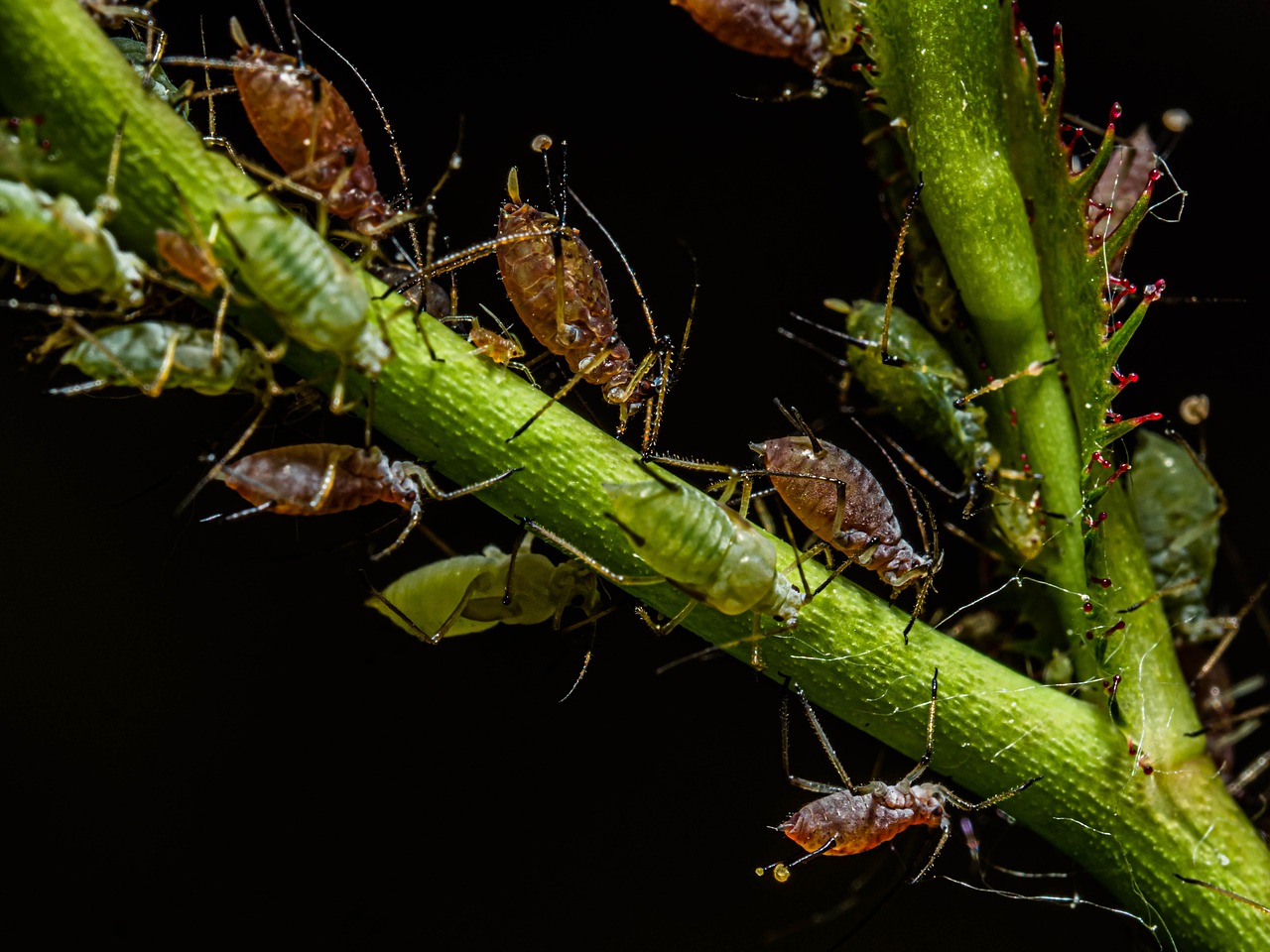
Want to be rid of aphids but don’t want to use chemicals? Try spraying them off with plain water or knocking them into soapy water with your hands. You might need to do this daily until they’re gone, which can take two weeks or more depending on how bad the infestation is. Another option is planting nasturtiums around your garden; aphids avoid them like the plague! Ladybugs also love aphids and keep them under control.
Key Takeaway
Keep in mind that sometimes, no matter what you do, pests will get into your garden. That’s okay! Just remember that prevention is better than cure. Planning your garden so that natural insect-repellent plants are planted at regular intervals in your garden will help. Keep on trying methods if one isn’t working. Vigilance is the key.
It’s worth the effort.
Bruce