How to Ferment Citrus Peel
- Choose fresh, organic citrus fruits: Any citrus will suffice, but if you cannot find organic, scrub the whole fruit in hot, soapy water to clean off pesticides as well as any wax coating. Select citrus fruits such as oranges, naartjies, lemons, limes, or grapefruits. Choose a variety.
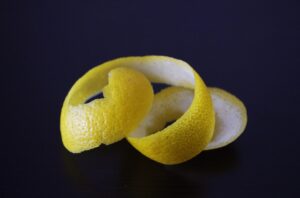
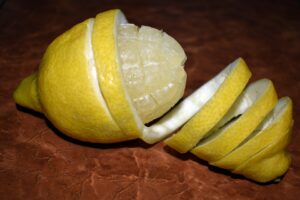
- Peel the fruits: Try to avoid including too much of the white pith underneath the peel, as it makes your end product taste bitter. Don’t throw the white pith away. Eat it rather because it’s not only great for weight loss but absorbs chemicals as well and is said to have anti-cancer properties.
- Chop or shred the peels: Cut the citrus peels into smaller pieces or shred them finely to increase the surface area. This will help the fermentation process.
- Prepare a fermentation vessel: Clean and sanitize a glass jar that is large enough to hold the citrus peels. Make sure it’s properly sterilized to avoid unwanted bacteria. The best way of sterilizing is to wet the whole jar and put it in the microwave for 2 minutes.
- Add the citrus peels to the jar.
- Add salt: Sprinkle a generous amount of salt over the citrus peels. The salt acts as a preservative and encourages beneficial bacteria to thrive. The exact amount of salt will depend on personal preference, but a rough guideline is around 1-2% of the weight of the citrus peels. You may find some experimentation is necessary as you become used to making fermented peel.
- Optional: Add additional seasonings or spices: If desired, you can enhance the flavor of the fermented citrus peels by adding spices like whole peppercorns, chili flakes, or herbs like rosemary or thyme. Also adding whole cloves and cinnamon may give your fermented peel a Christmassy taste. This step is optional and depends on your taste preferences. Plus, the spices have their own health benefits.
- Press down the peels: Using a clean utensil or your hands, squish down on the citrus peels to release their natural juices and help them pack tightly in the jar. Mash them down a few times to really release the natural oils. Over pack the jar so that when you press down on the peels you have to press them past the mouth of the jar.
- Cover the jar: Seal the jar with a tight-fitting lid to keep the citrus peels submerged in their own juices. This helps to create an anaerobic (oxygen-free) environment best for fermentation.
- Place the jar in a cool, dark place at room temperature, away from direct sunlight. The fermentation process usually takes around 1-2 weeks, but you can taste the peels periodically to check their flavor and texture. Fermentation time can vary depending on the ambient temperature and the desired level of fermentation.
- Burp the jar. During the fermentation process, gases may build up inside the jar. To release the pressure building up, you can “burp” the jar by slightly loosening the lid to release the gas, then tighten it again. The lid will give a satisfying popping sound when you release it.
- Check for mold or off odors: Occasionally check the jar for any signs of mold growth or off odors. When you burp the jar, smell the peel before you tighten the lid again. If you notice any, it’s best to discard the batch and start again.
- The citrus peels are ready when they develop a pleasantly tangy, slightly sour taste and a softened texture. This is taste specific so the time may vary. Plus, fermenting in summer versus winter will also result in different times to completion.
- Once the fermentation is complete, transfer the fermented citrus peels to a clean, airtight jar or container, and store them in the refrigerator. Fermented citrus peels can be kept refrigerated for several months. (Although the peels are yummy so they may not last)
Benefits of Fermented Peel
- Enhanced flavor and aroma: Fermentation can transform the flavor and aroma of citrus peels, making them more complex, tangy, and slightly sour. This can add a unique and pleasant taste to various dishes. You can use these peels to add flavour to fruit tarts by chopping them small and sprinkling on top.
- Increased nutrient availability: Fermentation breaks down complex compounds in citrus peels, making the nutrients more bioavailable. It can enhance the absorption of vitamins, minerals, and antioxidants present in the peels, such as vitamin C, fiber, flavonoids, and Each of these has health benefits.
- Probiotic content: Fermented citrus peel contains beneficial bacteria or These live microorganisms can help promote a healthy gut microbiome and support digestion and overall gut health.
- Digestive aid: The probiotics in fermented citrus peel can aid digestion by supporting the growth of beneficial bacteria in the gut and improving nutrient absorption. They may also help alleviate certain digestive issues like bloating, gas, and constipation.
- Antioxidant activity: Citrus peels are rich in antioxidants, including flavonoids and limonoids, which have potential health benefits. Fermentation may enhance the antioxidant activity, making these compounds more bioavailable and potentially increasing their beneficial effects in the body. More bang for your buck, so to speak.
- Immune system support: The vitamin C and antioxidants found in fermented citrus peel can support the immune system by helping to fight off free radicals and reducing oxidative stress in the body. Especially good in winter when the immune system can flag a bit.