First Few Steps
- Research and Planning:
The Johannesburg climate is generally characterized by mild winters and warm summers so planning your very own garden farm needs to take this into consideration. (Although we have offered a few suggestions)
Consider the available space, sunlight, and water sources on your property.
- Site Selection:
Sit in your garden for a while or select a sunny day and chart where the sun lands. Choose your crops depending on the sun. Remember to take into account your own likes and dislikes. There is no point in planting loads of spinach if you cannot tolerate the taste. Take soil samples of the various areas to assist you in planning your crop selection. Some plants enjoy more acid soil, while some like a more alkali soil.
Draw out your garden and mark the sun vs shade areas, as well as the soil test results.
- Start Small:
Most of us are not famers so unless you are planning on employing someone to oversee your vegetable garden, it may be best to start small with just one or two easy- to- grow crops. Decide whether raised beds might be a better option and if you have a tiny garden, consider the investment of vertical growing. While the outlay may be more, if you are wanting to ultimately feed your family from your garden, this may be a worthwhile investment. The following companies will assist with vertical farming in some way.
- Farmsoft – Tenacious Systems Limited
- Codema Systems Group B.V.
- TAVA Systems
- Sunritek Semiconductor Lighting Co.Ltd.
- HydroGarden Wholesale Supplies Ltd
- China Noonty Greenhouse
- Association for Vertical Farming e.V.
- ZipGrow Inc.
- Vertical Crop Consultants
- AeroFarms LLC
- Zhengzhou Jinhui Agricultural S&T Co., Ltd.
- G2V Optics Inc. (G2V)
- Agritecture
- CambridgeHOK
- A. Becker Equipment
- Farm King
- Alcomij BV
- Urban Crop Solutions
- Radongrow
- R. Simplot Company
Vertical Farming in South Africa: Industry Overview – Vertical Farming Planet
Begin with a small garden plot or a few raised beds. Starting small allows you to learn and manage the workload effectively.
Deciding Between Raised Beds or Ground Beds
Raised Beds
- Better Soil Control:
Raised beds allow you to have complete control over the soil composition. You can customize the soil to suit the specific needs of the plants you’re growing.
- Improved Drainage:
Raised beds typically have better drainage compared to in-ground gardens. This is particularly beneficial in areas with heavy or poorly draining soils.
- Warmer Soil:
Raised beds tend to warm up faster in the spring, providing a longer growing season. This is advantageous for heat-loving plants.
- Easier Access:
Raised beds are elevated, making them more accessible for planting, weeding, and harvesting. This is especially helpful for individuals with mobility issues. Definitely easier on the back.
- Reduced Compaction:
Because you don’t walk on the soil in raised beds, there’s less compaction. This allows plant roots to grow more freely.
- Neat and Organized:
Offers your garden a tidy and organized appearance. They are visually appealing and can be designed in various shapes and sizes.
- Better Pest Control:
Raised beds can be easier to protect from certain pests, and you can install barriers like screens or nets more effectively. Also consider companion gardening to manage pets.
- Optimized Watering:
It’s often easier to control and optimize watering in raised beds, preventing waterlogged conditions.
Ground Gardening:
- Natural Soil Integration:
In-ground gardening allows plants to grow in the native soil, which can be advantageous if the soil is already fertile and well-draining. Some virgin gardens have very fertile soils
- Cost-Effective:
In-ground gardening is generally less expensive to set up than building raised beds. You don’t need additional materials for the sides of the bed. If you are an inexperienced gardener it may be the best option to start with what you have, rather than spend money on a projects that ends up a failure.
- Greater Soil Volume:
Plants in the ground have access to a larger soil volume, potentially allowing for more extensive root systems.
- Less Maintenance:
In-ground gardens may require less maintenance in terms of bed construction and renewal of soil over time, particularly if you are able to rotate veggies and leave some sections fallow.
- Cooler Soil:
In-ground soil tends to stay cooler during hot weather, which can be beneficial for certain crops and during heatwaves. We have all noticed how erratic the weather has been recently. In-ground gardening may turn out to be better with the extremes of temperature and rainfall we are experiencing.
- More Planting Space:
In a large garden, in-ground planting might be more practical and space-efficient.
Ultimately, the choice between raised beds and in-ground gardening depends on your specific needs and circumstances. Some gardeners even use a combination of both methods. Raised beds are particularly popular in areas with challenging soil conditions or limited space, while in-ground gardening may be preferred in larger, open spaces with favorable soil.
Choosing your Crops:
Take into account what you and your family actually enjoy eating and consider the sunlight exposure in your urban garden. Large neighborly trees may cut light you need for certain crops.
Consider growing a mix of vegetables, fruits, and herbs to diversify your produce.
Obtain Quality Seeds or Seedlings:
In the Johannesburg climate, which is characterized by mild winters and warm summers, you can grow a variety of nutritious plants. Here are 10 relatively easy-to-grow and nutritious plants that thrive in such conditions:
- Spinach (Spinacia oleracea):
Spinach is rich in vitamins A, C, and K, as well as iron and calcium. It prefers cool weather, making it suitable for both spring and fall planting.
- Kale (Brassica oleracea var. acephala):
Kale is a nutrient-dense leafy green, high in vitamins A, C, and K, and a good source of minerals. It is hardy and can withstand variations in temperature. Growing your own means you can control pesticides. Bought kale is one of the dirty dozen. (Plants most exposed to pesticides)
- Lettuce (Lactuca sativa):
Various lettuce varieties are easy to grow and rich in vitamins A and K. They are quick to mature and can be harvested at different stages.
- Swiss Chard (Beta vulgaris subsp. cicla):
Swiss chard is a nutrient powerhouse, containing vitamins A, K, and C, as well as magnesium. It’s relatively easy to grow and can tolerate both cool and warm temperatures.
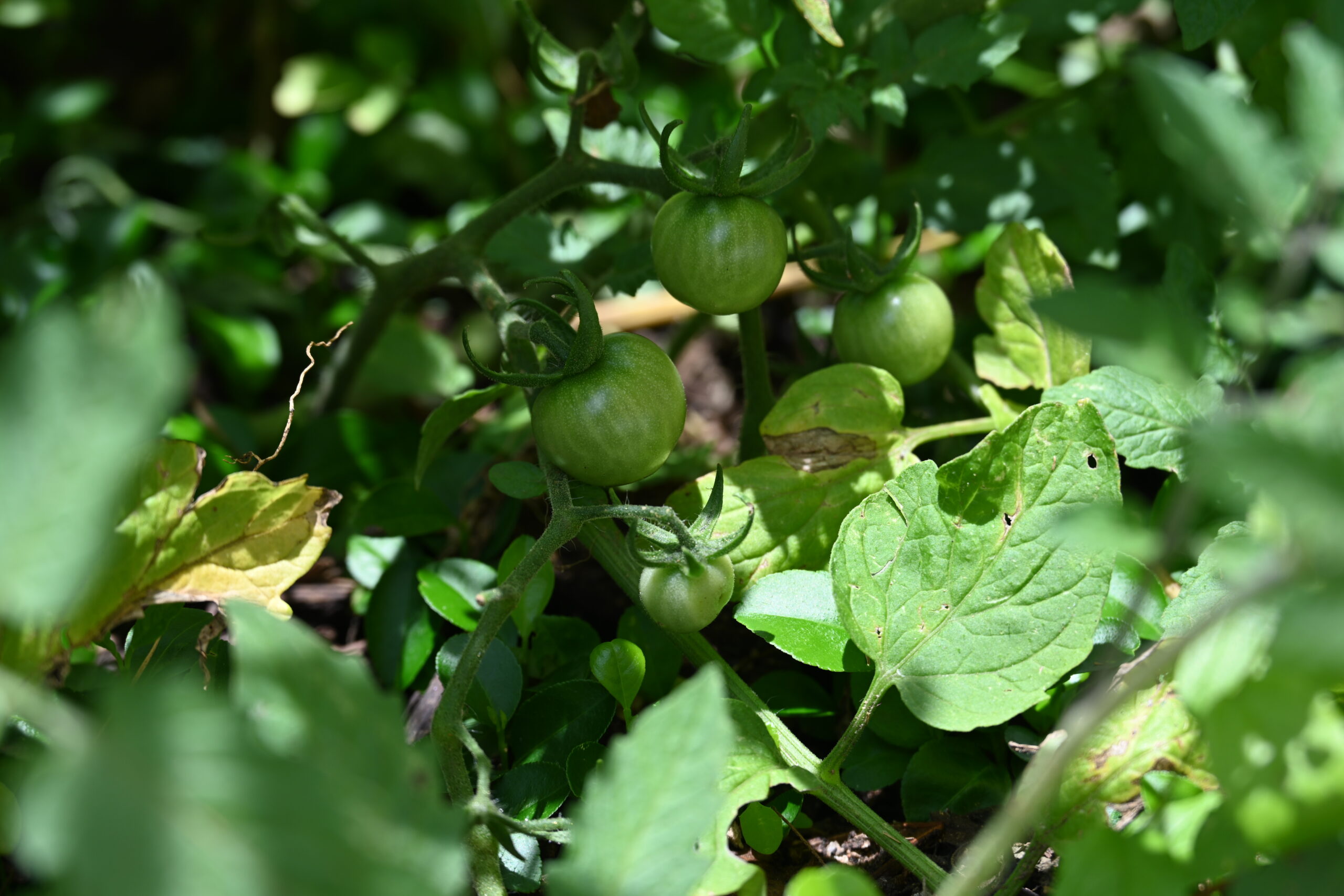
- Tomatoes (Solanum lycopersicum):
Tomatoes are a good source of vitamins A and C, as well as antioxidants like lycopene. Choose determinate varieties for compact growth in smaller spaces.
- Bell Peppers (Capsicum annuum):
Bell peppers are rich in vitamin C and other antioxidants. Purchased peppers are also on the Dirty Dozen List. They thrive in warm temperatures and can be grown in containers.
- Carrots (Daucus carota sativus):
Carrots are high in beta-carotene (a precursor to vitamin A) and are relatively easy to grow. Loose, well-draining soil is essential for straight root development.
- Radishes (Raphanus sativus):
Radishes are quick-growing and a good source of vitamin C. They are well-suited for beginners and can be grown in containers.
- Cabbage (Brassica oleracea var. capitata):
Cabbage is a hardy crop that contains vitamins C and K. It’s a cool-season vegetable, and there are varieties suitable for smaller gardens.
- Herbs (e.g., Basil, Parsley, Chives):
Herbs like basil, parsley, and chives are not only flavorful but also rich in various nutrients. They are generally easy to grow in containers or garden beds.
How to grow the above plants successfully
Spinach:
Soil: Well-draining soil with organic matter.
Sunlight: Partial shade to full sun.
Watering: Keep the soil consistently moist.
Tip: Harvest outer leaves regularly to encourage continuous growth.
Kale:
Soil: Well-draining soil rich in organic matter.
Sunlight: Full sun to partial shade.
Watering: Regular watering to keep the soil evenly moist.
Tip: Harvest leaves when they are young for the best flavor and tenderness.
Lettuce:
Soil: Well-draining soil with consistent moisture.
Sunlight: Partial shade, especially in hot climates.
Watering: Keep the soil consistently moist.
Tip: Harvest outer leaves first, allowing the inner leaves to continue growing.
Swiss Chard:
Soil: Well-draining soil with added organic matter.
Sunlight: Full sun to partial shade.
Watering: Maintain consistent soil moisture.
Tip: Harvest outer leaves, and the plant will continue producing throughout the season.
Tomatoes:
Soil: Well-draining soil enriched with compost.
Sunlight: Full sun.
Watering: Regular watering, avoiding water on the foliage.
Tip: Stake or cage the plants for support, and prune to improve air circulation.
Bell Peppers:
Soil: Well-draining soil with compost.
Sunlight: Full sun.
Watering: Regular watering, especially during dry periods.
Tip: Provide support for branches if the plants become heavy with fruit.
Carrots:
Soil: Loose, well-draining soil without rocks.
Sunlight: Full sun.
Watering: Keep the soil consistently moist.
Tip: Thin seedlings to avoid overcrowding, and harvest when carrots reach the desired size.
Radishes:
Soil: Well-draining soil with organic matter.
Sunlight: Full sun.
Watering: Keep the soil consistently moist.
Tip: Harvest radishes when they reach a mature size for the best flavor and texture.
Cabbage:
Soil: Well-draining soil with organic matter.
Sunlight: Full sun.
Watering: Keep the soil consistently moist.
Tip: Protect young plants from pests using row covers, and harvest heads when firm.
Herbs (Basil, Parsley, Chives):
Soil: Well-draining soil with moderate fertility.
Sunlight: Full sun for basil; partial shade for parsley and chives.
Watering: Keep the soil consistently moist for basil; allow parsley and chives to dry slightly between waterings.
Tip: Pinch back basil to encourage bushier growth, and regularly harvest herbs to promote continuous production.
Purchase high-quality seeds or seedlings from reputable sources.
Consider starting some plants from seeds indoors and transplanting them to the garden later.
Implement Sustainable Practices:
Embrace organic and sustainable farming practices to promote a healthy and eco-friendly environment.
Consider composting kitchen scraps and using natural fertilizers.
Watering System:
Install an efficient watering system to ensure that your plants receive consistent moisture.
Consider drip irrigation or soaker hoses to minimize water waste.
Mulching:
Apply mulch around plants to retain soil moisture, suppress weeds, and regulate soil temperature.
Pest Control:
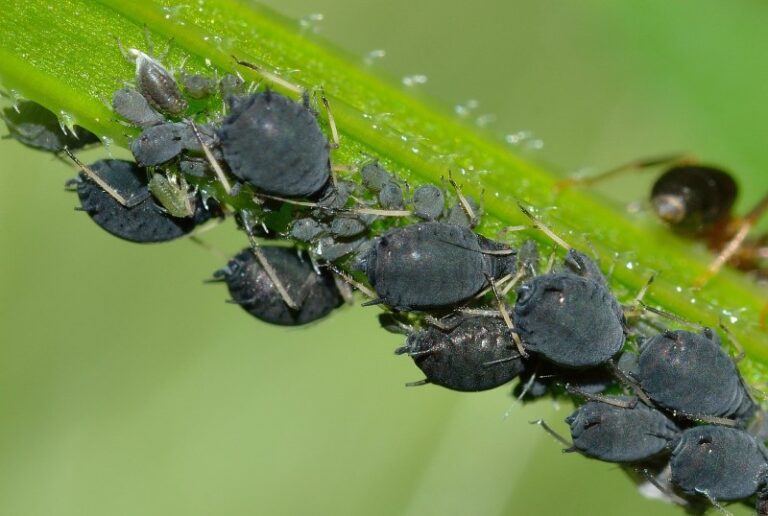
Learn about common pests and diseases in your area.
Implement integrated pest management strategies, including companion planting and natural predators.
Regular Maintenance:
Schedule regular tasks such as weeding, pruning, and checking for pests. A walk around your garden every day when you get home from work is essential. Once a week over the weekend will not be sufficient.
Harvesting:
Harvest crops at the right time to ensure optimal flavor and nutritional value.
Community Involvement:
Connect with local gardening communities or farmers’ markets to exchange knowledge and resources.
Attend workshops or classes to enhance your farming skills.
Documentation:
Keep a gardening journal to track planting dates, crop rotations, and successful practices.
Document any issues and solutions to improve your future farming endeavors.
Have fun and keep a watch out for LemonTreeLane organic crop notifications in the future.
-Bruce